What’s for dinner, Mom?
When the young members of your family ask “what’s for dinner, Mom?”, they’ve already got a few things on their wish list.
And it probably won’t be grilled fish, and a pile of steamed veggies, like these!
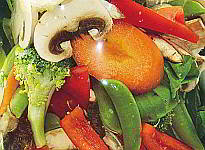
Instead, they’ll most likely be thinking of
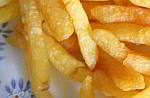
with something like this
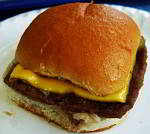
washed down with
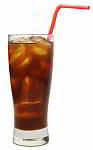
These choices taste nice, so you can understand why children want them. And they’re quick to prepare, which is a real boon for Moms who work outside the home all day.
But the convenient choices don’t have enough of the vitamins, minerals, antioxidants, and roughage from mixed vegetables and fruits, as well as lipids and sterols from whole grains, that more or less every health organisation on the planet recommends.
nutritional deficiencies…
Population surveys, and scientific studies, suggest 1 in 3 children’s diets are often deficient in:
- vitamin A
- niacin
- folic acid
- vitamin B6
- vitamin C
- vitamin E
- carotenoids
- flavonoids
- mixed fibre
- calcium
- iron
- magnesium
- zinc
Nowadays, nutritional gaps are the rule, rather than the exception. And these nutrient deficiencies hamper your children’s ability to meet the enormous demands of physical activity, growth, and cognitive development.
immune system…
The nutritional deficits can also weaken their immune systems, leaving youngsters vulnerable to a variety of health challenges.
Just look around at the enormous number of chemicals children are exposed to… in and outside the home.
Tobacco smoke, aerosol sprays, paint fumes, pesticides, preservatives, and vehicle exhaust gases are just a few of the thousands of chemicals in the air all of us breathe, in the food we eat, and in the water we drink.
Children’s delicate lungs and immune systems are exposed daily to free radicals generated by all these pollutants.
And as we all know, children can’t sit still for long. They’re always on the go, burning energetic calories, which contributes to the production of even more free radicals.
antioxidants…
Antioxidants go a long way towards nullifying the detrimental effects of all those free radicals.
Antioxidant nutrients like vitamin C, vitamin E, and the mineral selenium; the special protectors…flavonoids, found in the watery parts of colourful fruits and vegetables…and carotenoids, their fat-soluble counterparts. All these nutrient groups work together, keeping our immune systems strong, and protecting us from disease.
The snag with a sugary cereal for breakfast, and sausage and chips for lunch, is that there aren’t any colourful vegetables or fruits on the plate. And if colourful plants aren’t being eaten, there’s an unhealthy lack of protective antioxidant nutrients, not to mention fibre, vitamins, minerals…
maximum benefit…
If you’re going to encourage your children to eat plant foods, you might as well max the benefit and encourage them to eat the fruits and vegetables packed with the most antioxidants from this list on our first blog.
when can children start supplements?
Of course, it’s never too early to assure your children receive the building blocks they need to achieve their physical, mental and emotional best. Good nutrition during childhood helps lay the protective groundwork for their well-being now, and way into their future lives.
As soon as your child can drink from a two-handled kiddie-cup, they can start the nutritional supplements GNLD has designed for them.
which supplements are best?
For your children to gain maximum benefit from your investment in supplements, the supplements should…
- provide the nutrients found in real, human food. For example, carotenoids that protect the fatty parts of cells, are found in tomatoes, spinach, apricots, and strawberries. Carotenoids are also found in marigold flowers, and some tree barks…but these sources are not part of the human food chain
- be made from carefully-controlled, pesticide-free fruits and vegetables
- be preservative free
- be colourant free
- have no added sucrose
- be guaranteed to contain exactly what is written on the label
- be guaranteed to contain nothing that’s not on the label
GNLD Vita Squares … GNLD Vita Guard … and GNLD Nutrishake fulfil all these criteria.
You can trust GNLD with your family’s health